

Sustainability
Tourism accounts for about 8% of total carbon emissions worldwide. The impact of this can also be felt in the Netherlands. NBTC recognises the urgency of sustainability, which is why it's working with partners to create a greener hospitality sector. We share research insights, provide practical tools and urge the sector to reduce carbon emissions.
Carbon emissions and adaptation
Where does the hospitality sector stand when it comes to sustainability? And how can we reduce carbon emissions? Based on international frameworks, a strategic document for the Netherlands has been drawn up for this purpose. But climate change also requires adaptation. We need to ensure that destinations are more resilient to the impacts of climate change.

The CO2 Impact of International Visitors to the Netherlands: A Deeper Insight
NBTC's recent publication delves into the CO2 impact of foreign visitors to the Netherlands, aiming to provide comprehensive data for governments and destination marketing organisations.

Hotel Carbon Measurement Initiative
Hotels can use this free tool to calculate the carbon footprint of hotel stays and meetings.
International frameworks for climate action
We align with international agreements and visions for the future to guide our efforts. A key starting point is the Glasgow Declaration on Climate Action in Tourism, which NBTC signed in 2021. This declaration calls for the development and implementation of a concrete climate action plan. In addition, Envisioning 2030 provides a guiding vision of the future for sustainable tourism in the Netherlands. Both documents offer a substantive basis for cooperation, policy-making and taking concrete steps towards a climate-neutral sector. This is reinforced by tightened legislation around travel, such as the Corporate Sustainability Reporting Directive (CSRD), Green Claims Directive (GCD) and the OMNIBUS Act published in February 2025.


A collective path towards climate-neutral tourism
International frameworks are an important starting point, but we also need a national strategy for reducing carbon emissions. That’s why NBTC worked with the sector to develop the Climate-Neutral Tourism Strategic Document, based on the Glasgow Declaration and Envisioning 2030. This strategic document sets out the principles, ambitions and courses of action to achieve climate-neutral tourism by 2050. And it describes the steps required to do so. The document also stresses the importance of collaboration, innovation and shared responsibility.
Sustainable accessibility by train
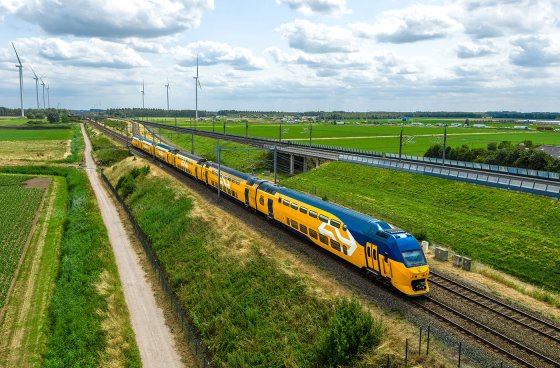
Accessibility also plays an important role in the transition to sustainable tourism. That’s why NBTC has teamed up with partners - Eurostar, amsterdam&partners, Almere City Marketing, The Hague & Partners, Utrecht Marketing and London St. Pancras Highspeed - to research international train travel to the Netherlands. The research focused on the travel behaviour and motives of international visitors. Why do or don't they choose to travel by train? A better understanding of this enables more targeted strategies and campaigns. This research contributes to the transition to more sustainable tourism, with reduced carbon emissions and increased focus on accessibility by train. Within the Netherlands, NBTC is working with relevant parties to explore how to make transport around day trips more sustainable.
Our expert on
-

contact Thijs de Groot